
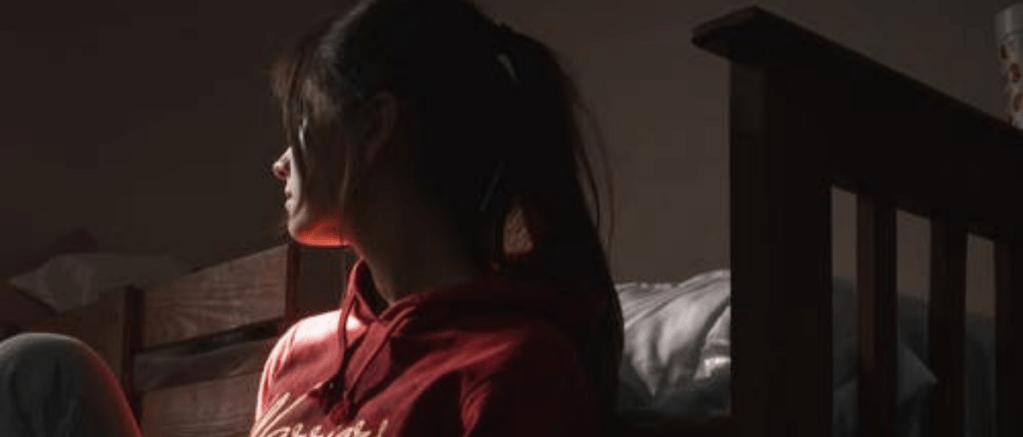
While we all feel sad, moody or low from time to time, some people feel depressed intensely, for long periods of time and sometimes without any apparent reason.
Depression is more than just a low mood, it is an illness that has an impact on both physical and mental health and may affect how people feel about themselves.
You might lose interest in work, hobbies and doing things you normally enjoy.
At Recreating Positive Living, we take the time to determine the context around which you started noticing your symptoms so we can apply apply an evidence-based, therapeutic approach that suits your situation.
Common symptoms
Depression can manifest itself in a number of ways, including:
- Lacking energy
- Having difficulty sleeping
- Sleeping more than usual
- Feeling irritable
- Finding it hard to concentrate
The World Health Organisation, WHO, says depression is a common mental disorder, characterised by persistent sadness and a loss of interest in activities that you normally enjoy, accompanied by an inability to carry out daily activities, for at least two weeks.
In addition, people with depression normally have several of the following: a loss of energy; a change in appetite; sleeping more or less; anxiety; reduced concentration; indecisiveness; restlessness; feelings of worthlessness, guilt, or hopelessness; and thoughts of self-harm or suicide.
According to WHO, it is treatable, with talking therapies or antidepressant medication or a combination of these.
These symptoms suggest it is worth visiting one of our psychologists for an assessment so you can get clarity on your situation and then make an informed decision about what further support you might or might not need.
How we tackle depression at Recreating Positive Living
If you live in Spartanburg and surrounding Counties, Recreating Positive Living practitioners in Spartanburg are skilled in:
- Helping you manage feelings of depression
- Teaching you practical strategies to let go of unhelpful thoughts
- Teaching you to manage feelings
- Empowering you to activate behavioural change
 Recreating Positive Living